
Table of Contents
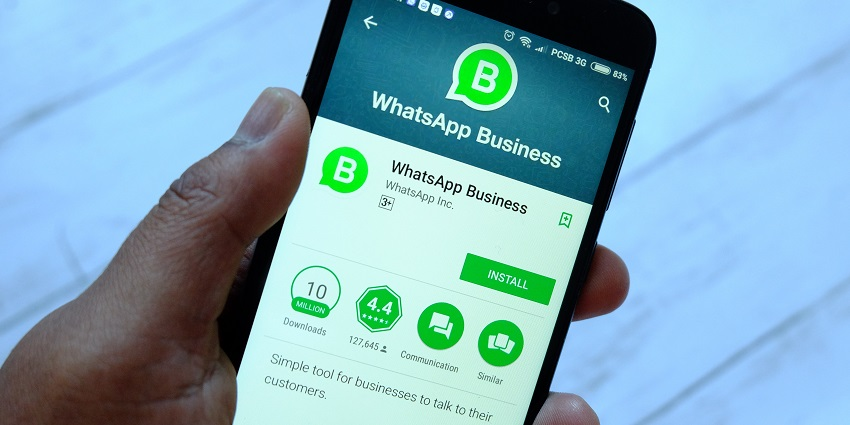
Meta is set to introduce new WhatsApp Business charges from October 1, 2026, a change that will also affect businesses in Uganda using the professional messaging platform. Businesses that rely on WhatsApp to communicate with customers could soon face a new cost as Meta changes how it charges for certain messages sent through the WhatsApp Business Platform and API.
The change takes effect on October 1, 2026, and is expected to affect businesses that use WhatsApp’s professional infrastructure for customer service, automated responses, chatbots and other large-scale communication tools. Importantly, the change does not mean that ordinary WhatsApp users will start paying to chat with businesses.
What is changing on WhatsApp?
Under the current WhatsApp Business Platform system, businesses can respond to customers who have contacted them within a 24-hour customer-service window without having to use a message template.
Meta’s updated pricing structure will introduce charges for certain service messages sent through the Business Platform. Reports on the new pricing indicate that the first 1,000 delivered service messages per business phone number each month will remain within a free allowance, after which applicable messages will be charged.
Meta’s own WhatsApp Business policy confirms that the WhatsApp Business Platform includes the Business APIs, including the Cloud API hosted by Meta. It also states that businesses using the Platform operate under a pricing structure for applicable conversations and message templates.
Also Read: UCC Shuts Down Internet Access in Uganda as Elections Begin
How will the changes affect Ugandan businesses?
Ugandan businesses using the WhatsApp Business Platform are among those expected to be affected. According to regional reporting, businesses in Uganda, Kenya, Tanzania and Rwanda will face a reported rate of US$0.0040 per delivered message under the new pricing structure. In Kenya, this has been reported as approximately KSh0.52 per message.
For Ugandan businesses, the actual cost of the new WhatsApp Business charges in Uganda shillings will depend on the prevailing exchange rate at the time.
The financial impact will largely depend on how heavily a business uses WhatsApp for customer communication. Companies sending thousands of messages through the Business Platform could see their monthly communication costs increase once they exceed the applicable free allowance.
Will ordinary WhatsApp and WhatsApp Business users be charged?
No. The change should not be confused with a general charge for using WhatsApp. A person using the normal WhatsApp application will not suddenly be charged for sending a message to a business. Likewise, businesses using the basic WhatsApp Business app are different from companies connected to the WhatsApp Business Platform/API.
The Platform is designed for businesses that require more advanced communication capabilities, including automation, customer-service systems and integrations with other business software. Meta’s own policy specifically distinguishes the WhatsApp Business app from the WhatsApp Business Platform and its APIs.
Why is Meta introducing the WhatsApp Business charges?
The change is part of Meta’s broader effort to monetise WhatsApp’s business infrastructure. WhatsApp has increasingly positioned its Business Platform as a tool for companies to communicate with customers at scale, allowing businesses to integrate WhatsApp into customer-service systems and automated communication platforms.
The new pricing means businesses will need to pay closer attention to how they structure their WhatsApp communications, particularly companies handling large volumes of customer enquiries.
What should Ugandan businesses do?
Businesses using WhatsApp Business Platform should first establish whether they are actually using the API/Platform or simply the free WhatsApp Business application. Companies using the Platform should then review their monthly message volumes and understand which types of messages will become chargeable under the October pricing structure.
Businesses can also reduce unnecessary communication costs by making customer responses clear and comprehensive rather than sending numerous separate messages where one useful response would be sufficient. The change therefore represents a new consideration for Ugandan companies that have increasingly made WhatsApp part of their customer-service and sales operations.
What does this mean for WhatsApp users in Uganda?
For the average WhatsApp user, there is little to worry about, the new charges are directed at businesses using Meta’s WhatsApp Business Platform, rather than consumers sending ordinary WhatsApp messages. A customer will still be able to contact a business through WhatsApp without paying Meta for the message. The potential cost is on the business side where the company is using the professional Business Platform and its associated messaging infrastructure.
For Ugandan businesses that depend heavily on WhatsApp, however, October 1, 2026 could mark an important change in the cost of communicating with customers.